About Groundswell Therapy
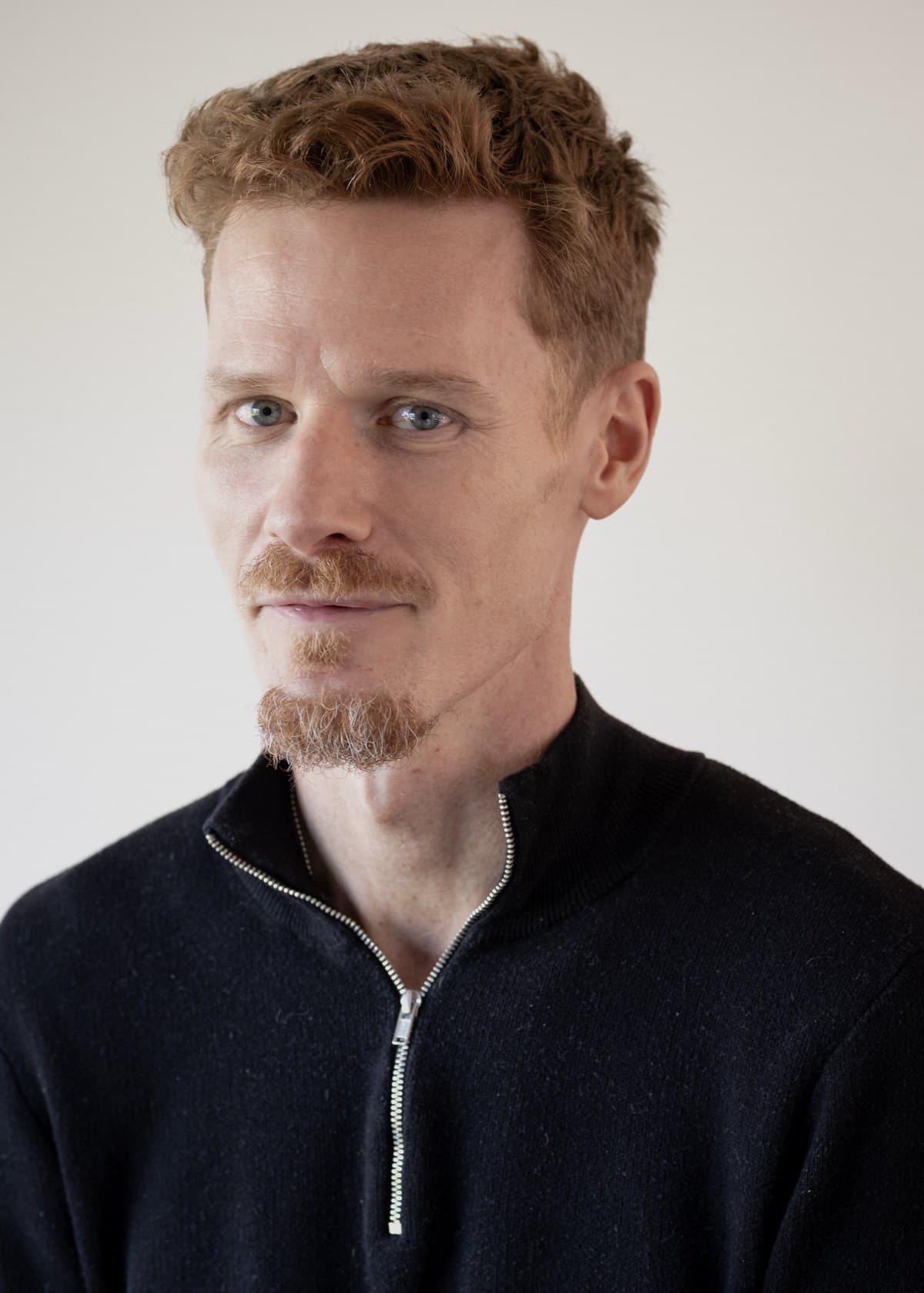
About Rory
I grew up in Edinburgh and spent most of my adult life living and working in Europe, North America and London.
As an adolescent, I played football at district level and basketball at national level. The positions I played gave me a sense of time, space and patterns of collective movement — the rhythm of the game. Maybe that’s what drew me to yoga in my 30s. After many hours on a mat and many retreats, I found myself teaching a couple of classes in London. Then the world was turned upside down by a pandemic.
Like many other people, I found it hard to slow down — and harder still to accept the visceral reality of a health condition. Yet by slowing down I began to listen more attentively to my body. I practised qigong and Feldenkrais instead of yoga. I undertook training in anatomy, focusing (felt sense) and craniosacral therapy.
I believe that real change in people’s lives comes from working with bodies — not least the parts that are not known to us. By making space for those parts, craniosacral therapy offers a way to slow down and to become (re)attuned to our bodies. In slowing down and listening to our body’s undercurrents, we can move towards a deeper state of health.
My practice is based in Edinburgh. Concession rates are available for students. If you would like to discuss your needs and see whether craniosacral therapy might be right for you, contact me — rorymoody@gmail.com.
What is Craniosacral Therapy?
Craniosacral therapy is a form of bodywork that helps people to feel grounded. It emerged from osteopathy — both modalities share the principle that the body has an inherent ability to heal itself.
A core principle of craniosacral therapy is its focus on listening — listening to the client’s body and its rhythms. By using our perceptual and palpatory skills, craniosacral practitioners can influence the activity of our client’s nervous systems. Touch that is attuned to the client’s needs can support deep change in a person — changes that can be felt and known in the body.
I support people to access sensations and feelings that reside at the edge of their awareness. These feelings are akin to imprints from the past that left traces in our body which continue to influence how we live and how we are.
Exploring these imprints by developing interoception is integral to craniosacral therapy. By refining our awareness of our body’s internal state we are more likely to feel grounded. Recognising when we dissociate and what it feels like in our body is the first step towards reversing it. Knowing the visceral difference between a shallow, uneven breathing pattern and a deep, stable one requires interoception.
The relationship between our nervous system, physiology and emotions is a complex one — craniosacral therapy offers a way to develop a bodily sense of the nature of this relationship. I’m particularly interested in the connection between how we breathe (respiratory system), how we sense where our body is in space (vestibular system) and our ability to regulate ourselves (nervous system).
The Science of CST
Work by leading scientists — including Bessel van der Kolk, Ruth Lanius, and others — has shown that sensory-based modalities which regulate the nervous system from the ‘bottom-up’ can be transformative.
Craniosacral therapy enables people to expand their window of tolerance — doing so enables them to know what it feels like (in their body) to live in the yellow and green zones (shown in the picture below).

What to Expect
Sessions last approximately 50 minutes to one hour. You remain fully clothed and lie on a comfortable treatment table.
I'll begin by placing my hands gently on different areas of your body — often starting at your feet or head — and listening to the subtle rhythms of your craniosacral system.
Most people experience a deep sense of relaxation during treatment. You may feel gentle sensations of warmth, tingling, or release. Some people fall asleep, which is perfectly fine — your body does important healing work in that state.
After a session, it's common to feel deeply relaxed and calm. I recommend allowing yourself some quiet time afterwards and drinking plenty of water.
Ready to Experience Craniosacral Therapy?
Book your first session and discover how gentle touch can support your healing.
Book a Session